
- Flagship Initiative · 2026
Hydro-Justice Student Research & Policy Fellowship Program
Where Water, Law, and Justice Converge.
“Water is Life , Justice , and Peace”
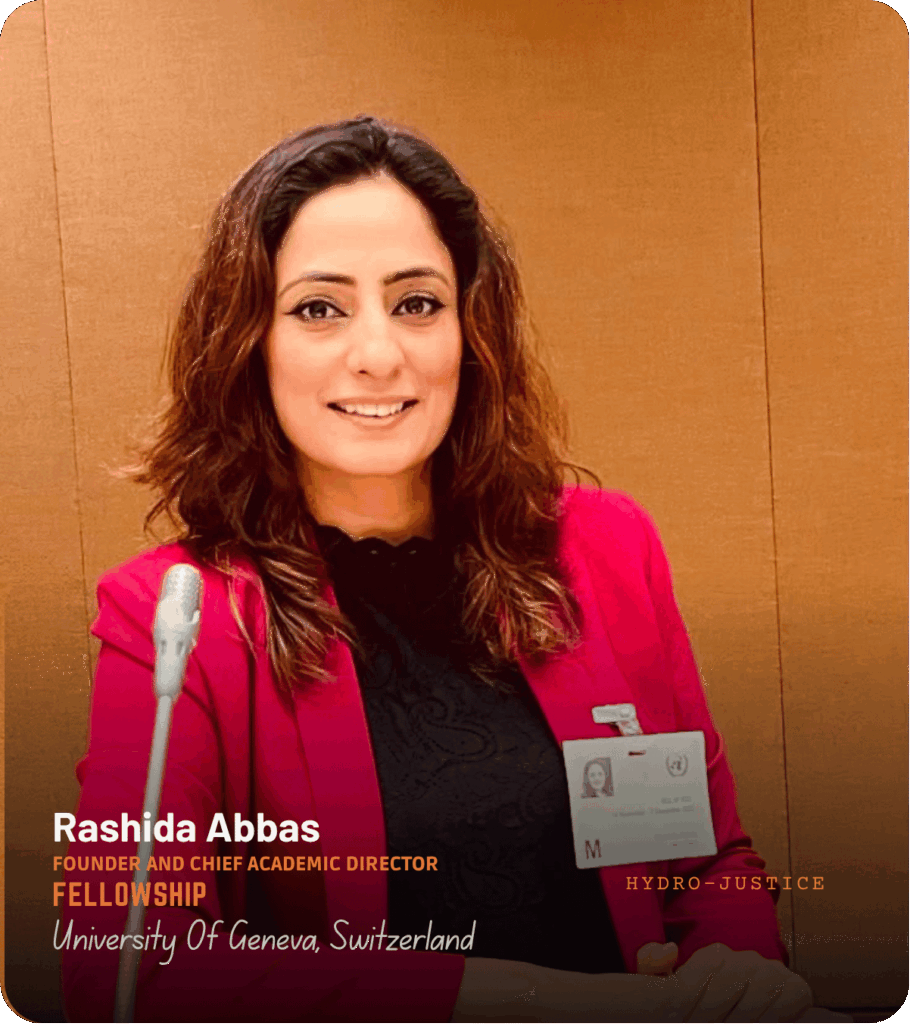
Rashida Abbas
Founder and Chief Academic Director, Hydro-Justice Student Research & Policy Fellowship 2026
Professors, Instructors & Senior Attorneys
Our distinguished international academic board, senior environmental attorneys, and doctoral scholars guiding the 2026 Hydro-Justice Fellows.
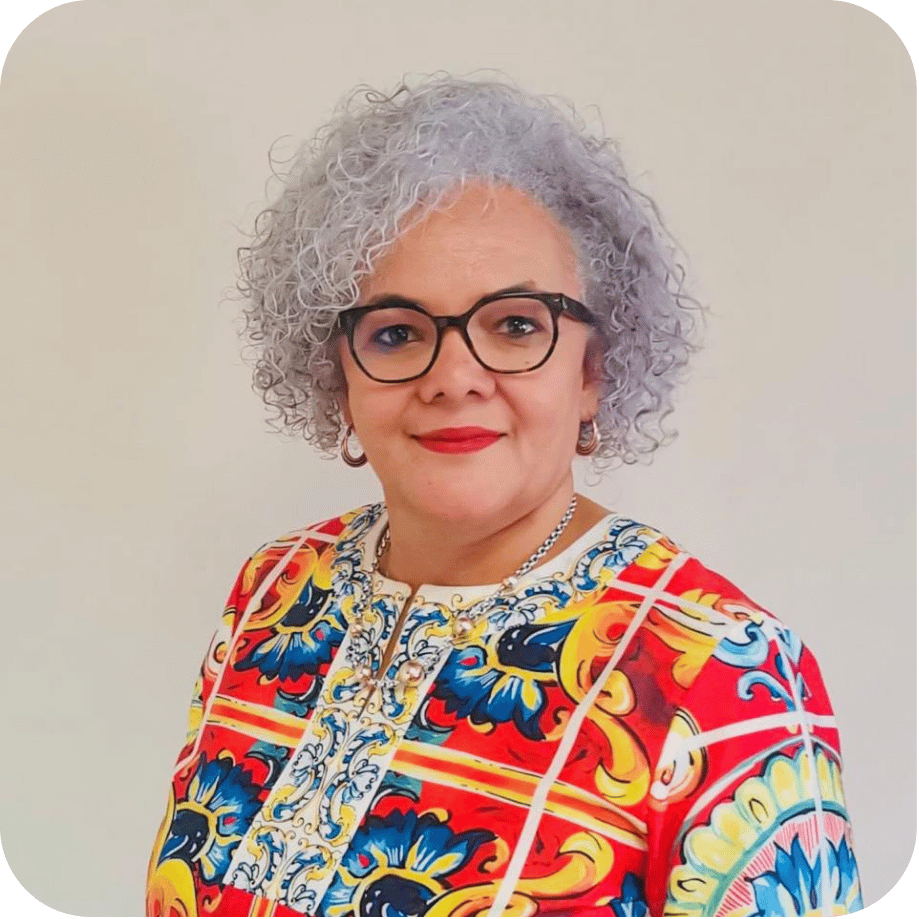
Ramona Grewan
• Supervisory Board Member, HAAART Foundation
- HAAART Foundation
- University for Peace (UPeace)

Tadesse Kebebew
• Legal Expert, Geneva Water Hub
- Geneva Water Hub
- University Of Geneva, Switzerland

Aline Telle
• Researcher, University of Geneva
- University Of Geneva, Switzerland

Dr. Waleed Rasool
• PhD in International Relations (Gold Medalist)
- Assistant Professor of International Relations
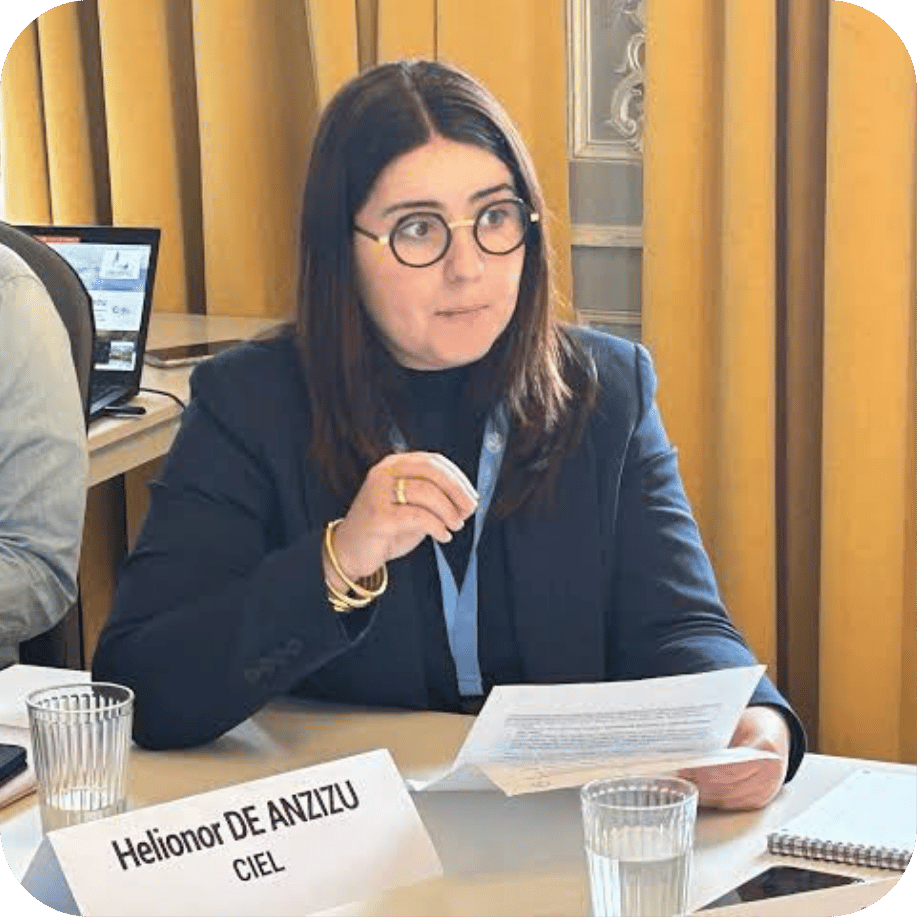
Hélionor de Anzizu
• Senior Attorney, CIEL
- Center for International Environmental Law (CIEL)
- University Of Geneva, Switzerland
Litigation

Fathe Mubeen
• Research Scientist, Tampere University
- Tampere University, Finland

Amélie D’HAUSEN
• PhD Candidate, University of Geneva
- University Of Geneva, Switzerland

Inès Ndonko Nnoko
• International Law Fellow, University of Geneva
- University Of Geneva, Switzerland
Bodies

Harmayn Mujahid
• Fellowship Coordination Officer, Hydro-Justice.
- Sialkot Law College | Punjab University
- Army Public School, Sialkot Cantt
Jurisprudence
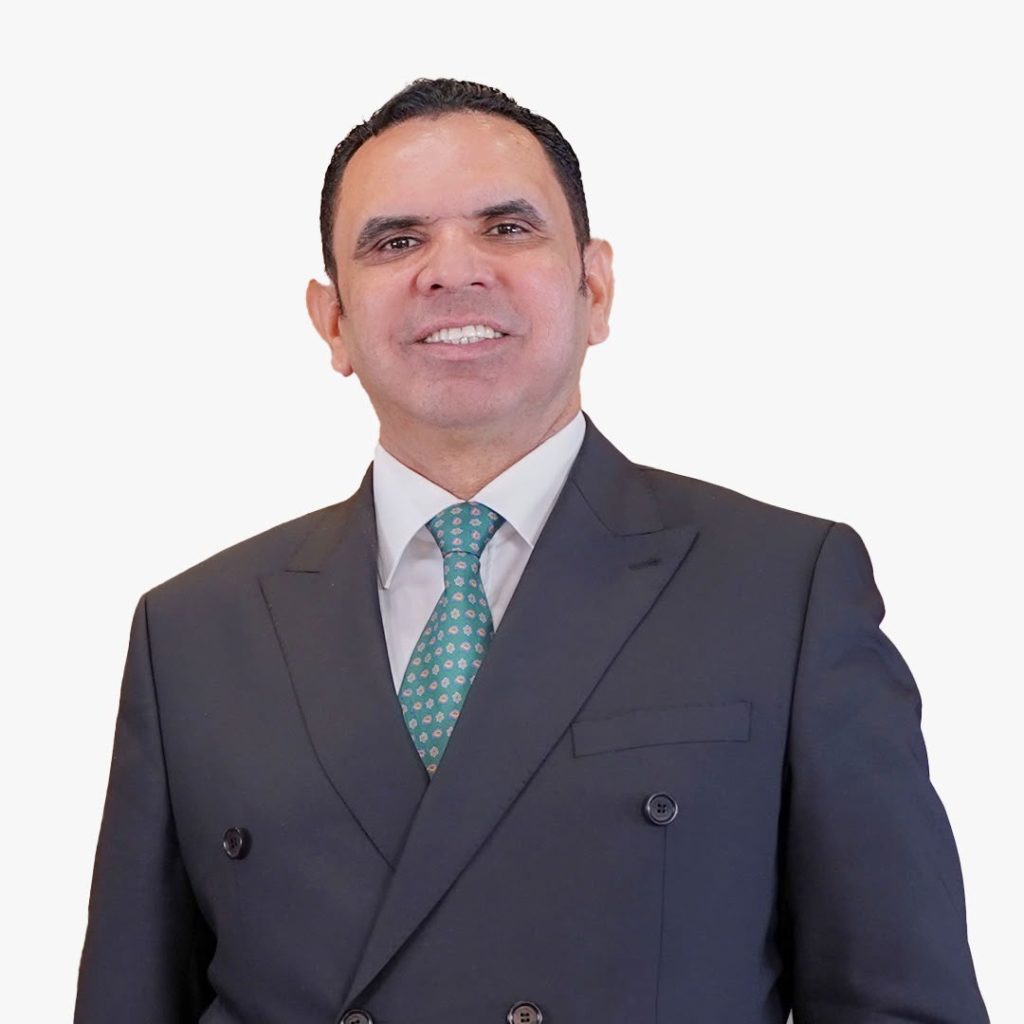
Majid Hawi Alwan
Doctorate (Ph.D.) in Public Law Islamic University of Lebanon
- University of Lebanon, Lebanon
- Founder and Managing Director
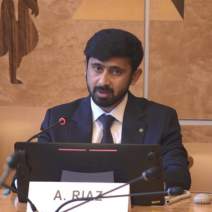
Amjad Riaz
• Master’s Candidate, Geneva Academy
- Geneva Academy of IHL & Human Rights
Mara Tignino Appointed as Scientific Director of the Geneva Water Hub
As part of the Hydro-Justice Fellowship 2026, we are honored to welcome Dr. Mara Tignino, Scientific Director of the Geneva Water Hub, for a special webinar on water, international law, and justice, taking place on 29th October.
Her leadership in international water law will offer participants valuable insight into today's most pressing global water challenges.
More details will be announced soon.
Dr. Mara Tignino
Scientific Director, Geneva Water Hub
Senior Lecturer, Faculty of Law, University of Geneva

2026
Inaugural Cohort
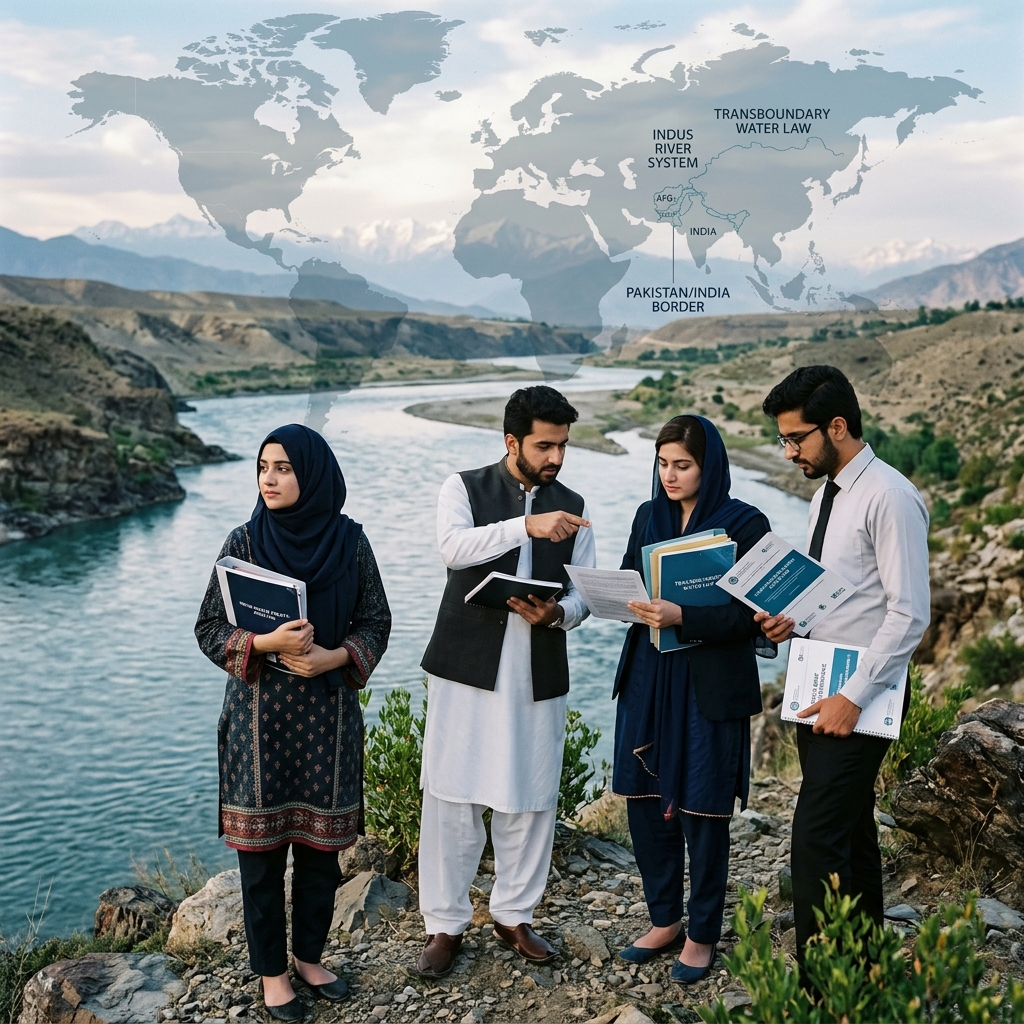
A New Frontier in Legal Education
- Water Governance
- Climate Justice
- Transboundary Law
Water Is No Longer Just a
Resource — It Is Justice.
Climate Change
Floods, droughts, glacier melt and erratic rainfall impact millions.
Water Security
Water is central to food, energy, livelihoods, and national security.
Transboundary Rivers
The Indus Basin faces complex shared-water challenges.
National Development
Water drives the economy, ecology, and provincial equity.
Human Rights
Access to water is a fundamental human right, not a privilege.
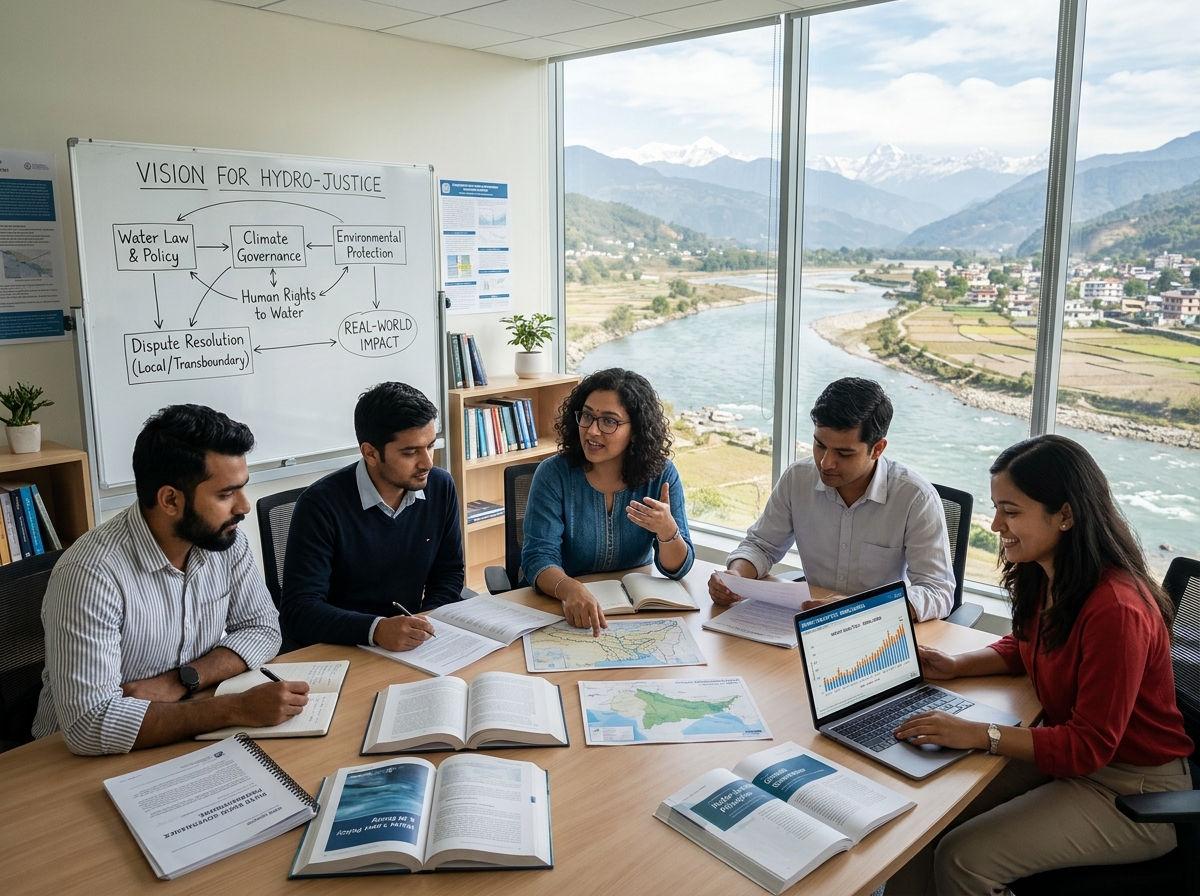
Vision of the Fellowship
Creating a rigorous learning and research platform, enabling students to develop expertise in water law, Hydro-Justice, climate governance, environmental protection, human rights, and dispute resolution engaging with real-world challenges, primary documents, and policy debates.
Vision
Training Legal Thinkers
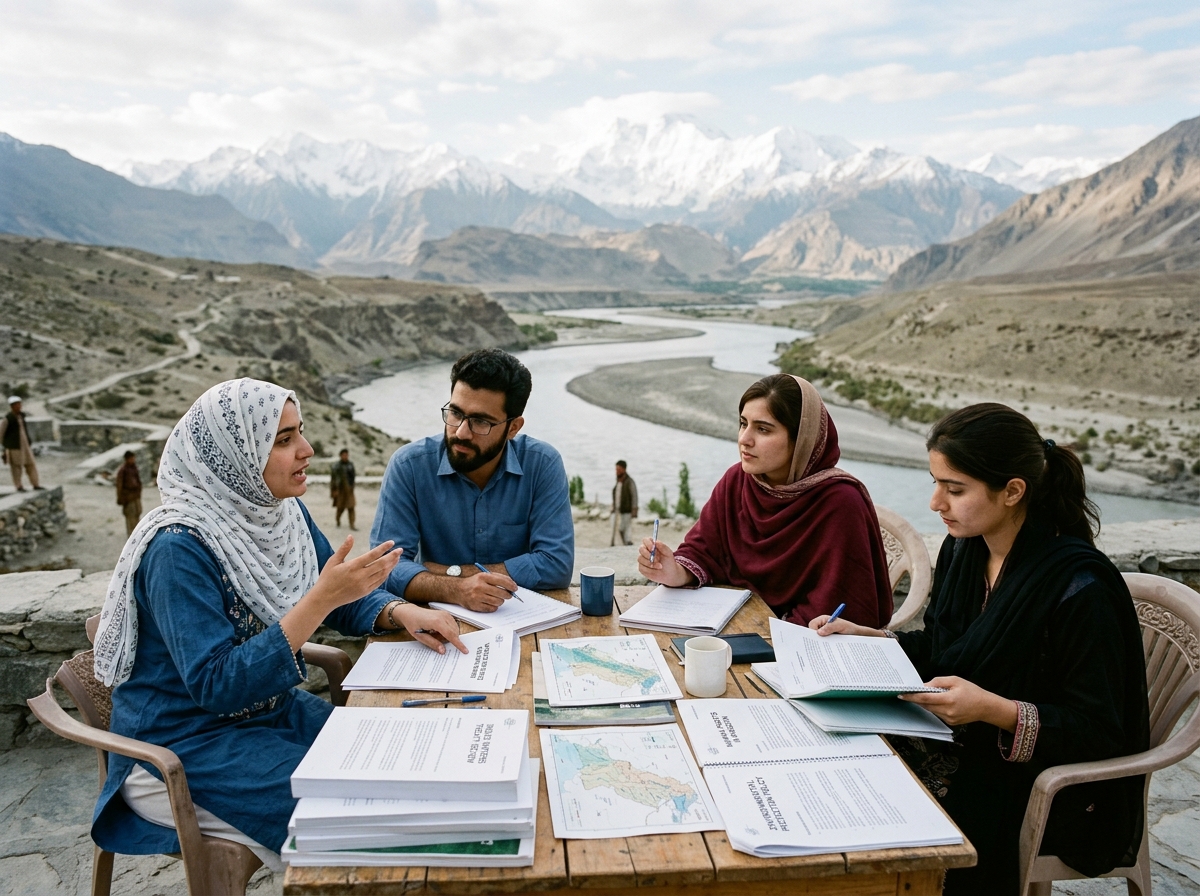
Core Purpose
- Legal Dimensions
- Research & Policy
- Global Governance
- Dispute Resolution
Four Pillars of Hydro-Justice
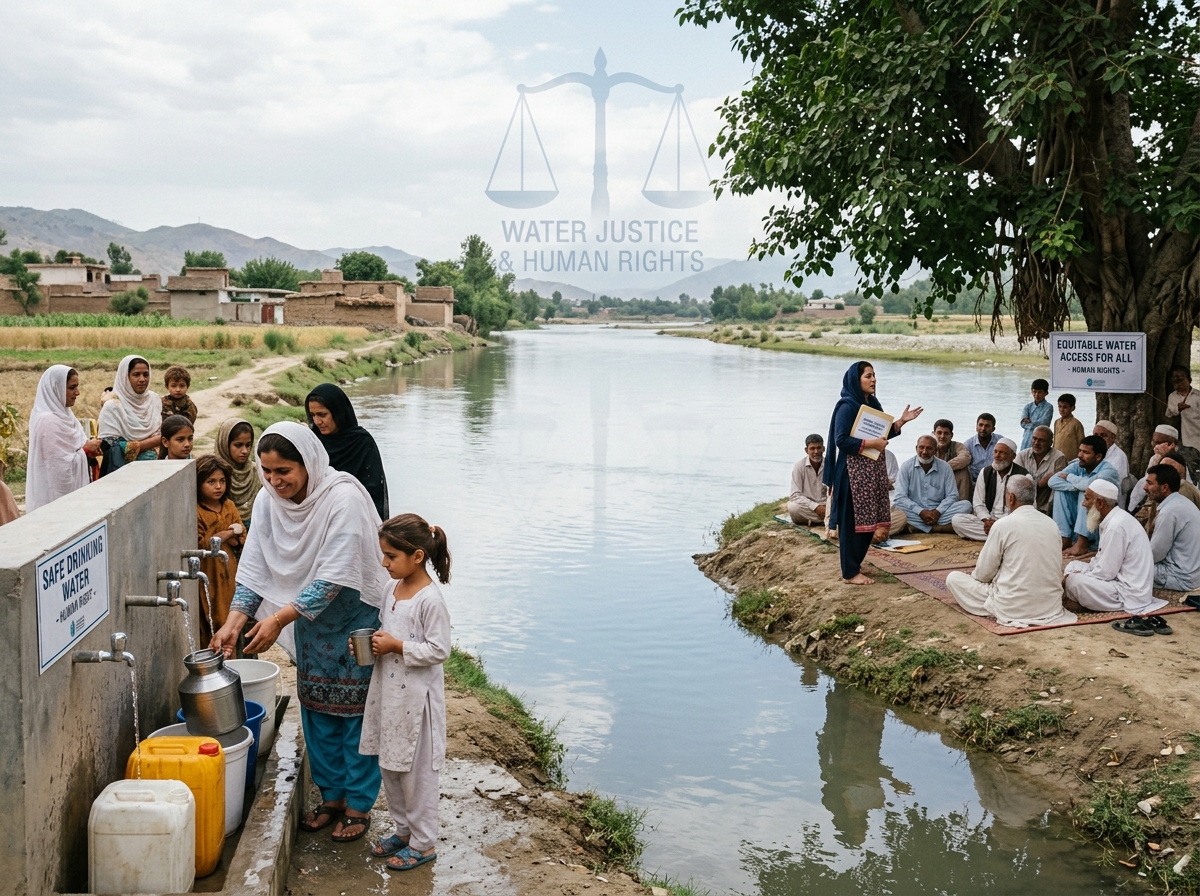
Water Justice and Human Rights
Principles of equitable and reasonable water use
Access to safe drinking water and sanitation
Marginalized communities and water equity
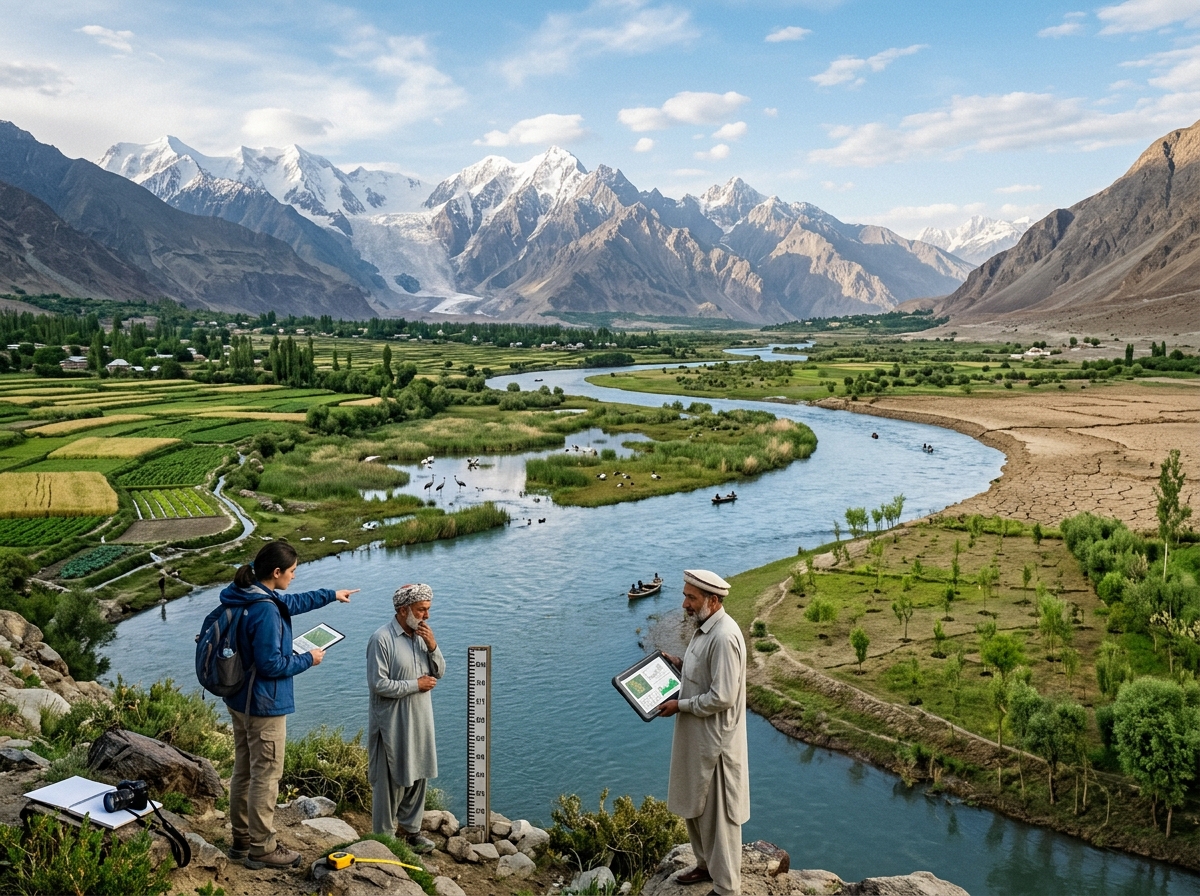
Climate, Environment & Water Protection
Climate change impacts on water systems
Environmental flows, ecosystem protection, pollution mitigation
Flood and drought management, sustainable resource use
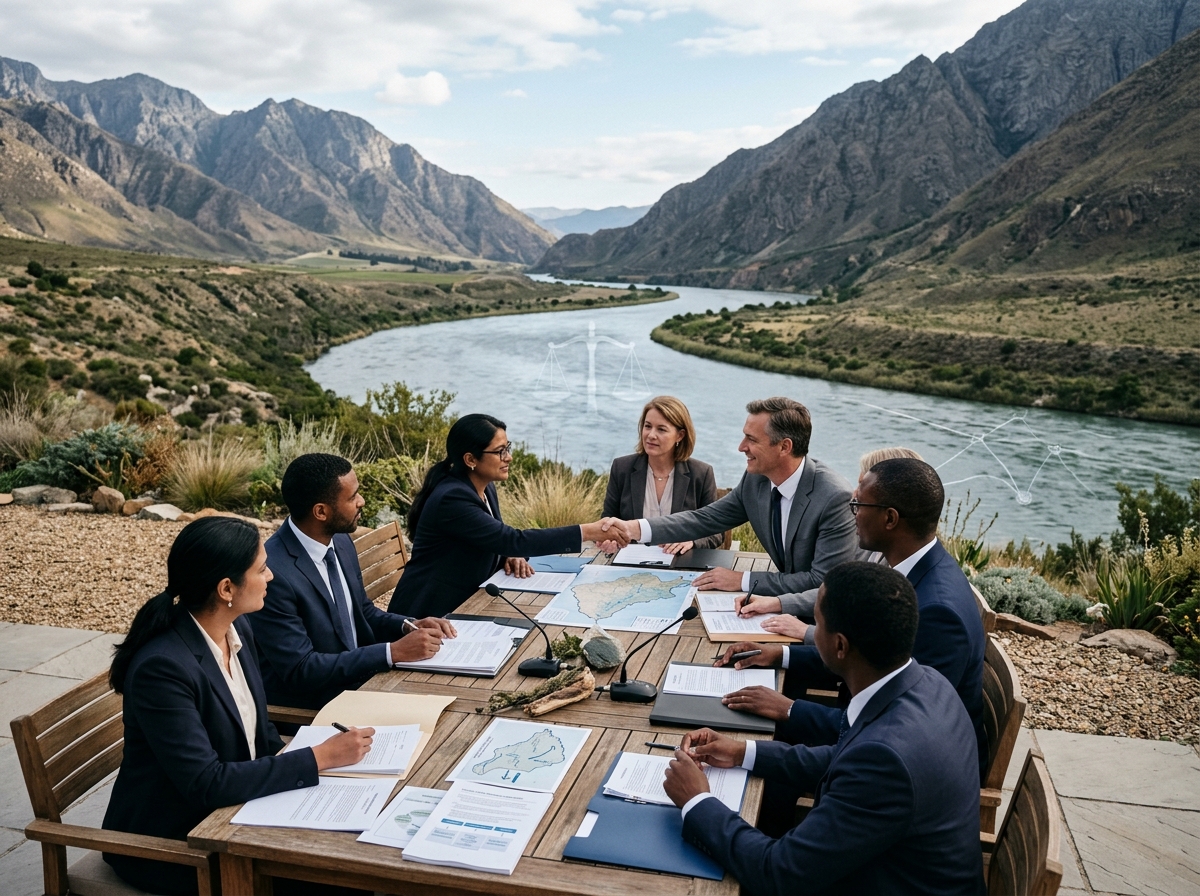
Transboundary Water Governance
International water law principles
Dispute resolution, mediation, and diplomacy
Institutional frameworks and comparative basin governance
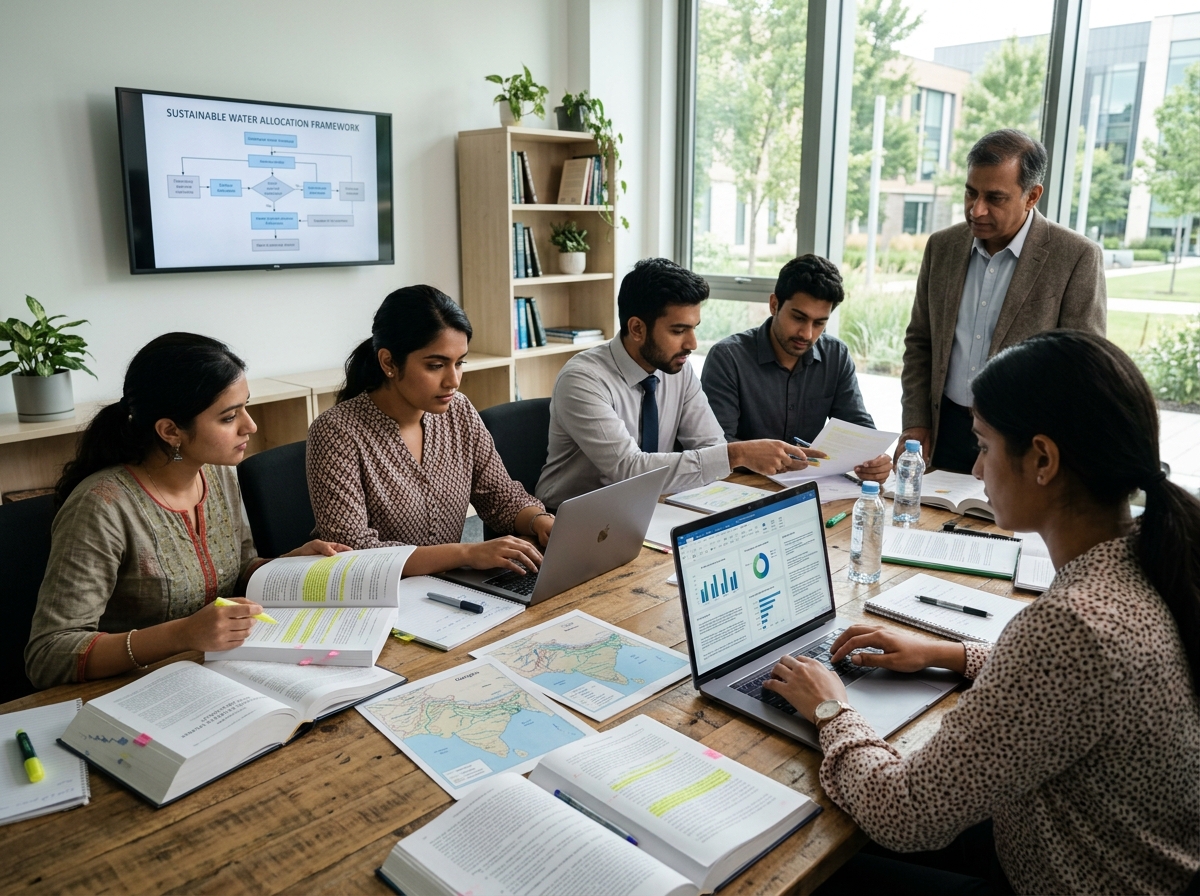
Research, Policy Writing & Advocacy
Legal research methodologies
Policy brief and case study preparation
Analytical writing, presentations, and advocacy strategies
How Fellows Learn and Grow
Case Studies
Guided discussions, debates, and real-world case studies.
Mentorship
Collaborative research clusters with dedicated mentors.
Policy Writing
Policy briefs, legal notes, research papers, and presentations.
Presentations
Interaction with professionals to enhance practical exposure.
Expert Sessions
Online expert sessions covering all thematic clusters.
Three Phases, One
Journey
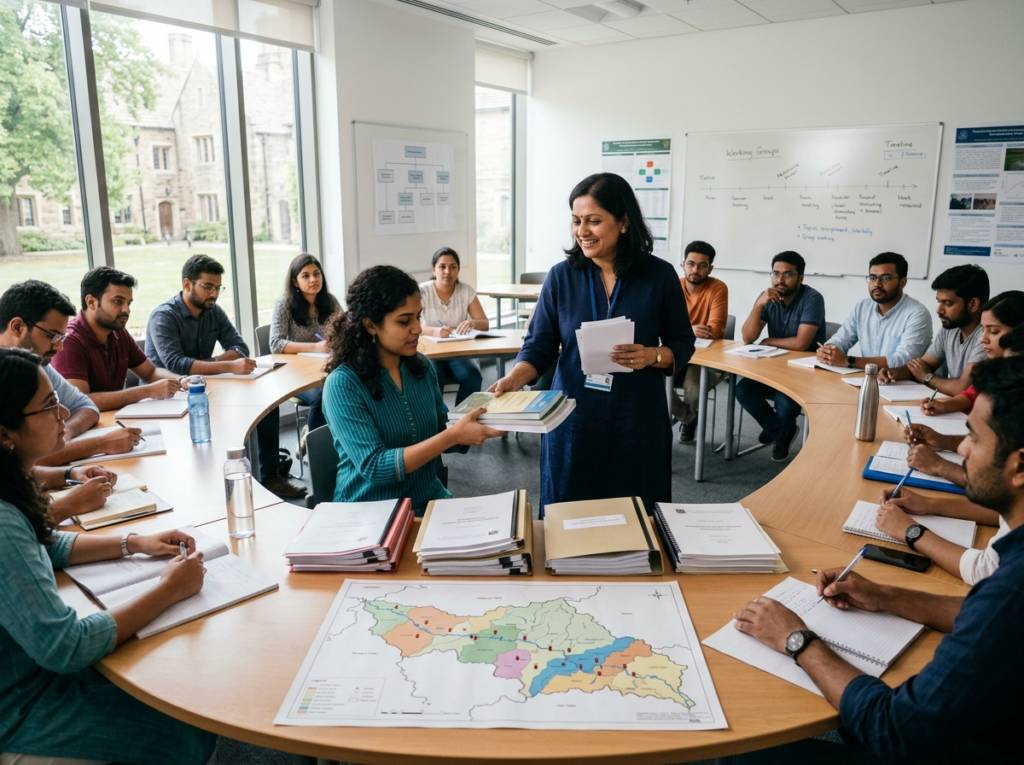
Phase 1
Selection & Orientation
Student finalization, topic assignment, and working group formation. Introduction to reading materials, methodology, and mentorship.
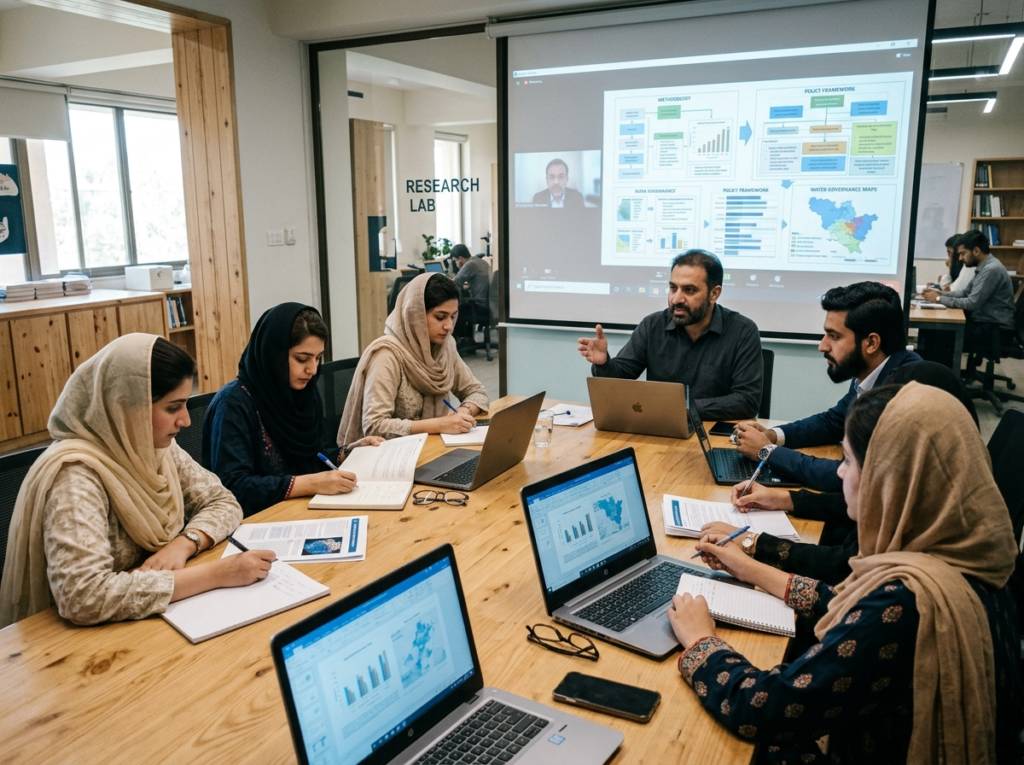
Phase 2
Coursework & Mentorship
Online sessions with experts. Mentoring, discussions, research methodology, and policy exercises.
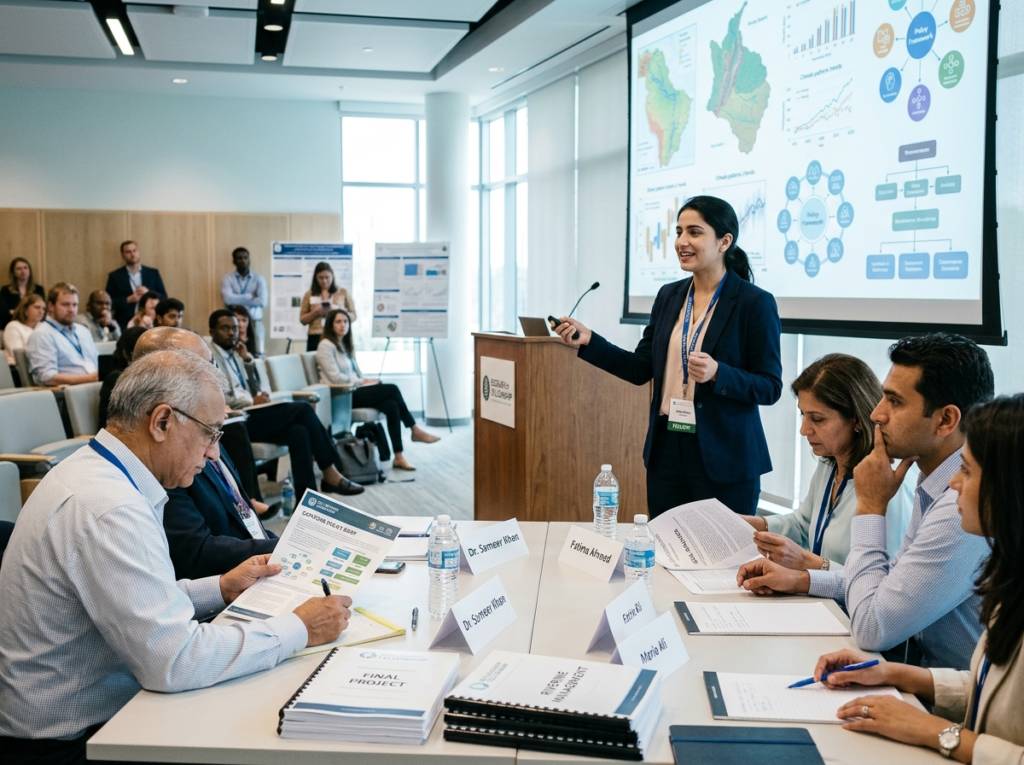
Phase 3
Research & Capstone
Individual or group research, policy briefs, legal analyses, and presentations. Final review by mentors; outputs shared with stakeholders.
Where Research Meets
the River
Transboundary Water Disputes & International Law
Climate Change and the Indus Basin
Arbitrations and Dispute Resolution
Water Security, Hydropower & Environmental Flows
Groundwater Governance, Pollution & Human Rights
Flood Governance, Gender Equity & Food Security
Comparative Studies of Global Water Treaties
Indus Waters Treaty: Past, Present & Future
A Journey That Transforms

Deep Understanding
Grasp Hydro-Justice, international water law, and transboundary governance.
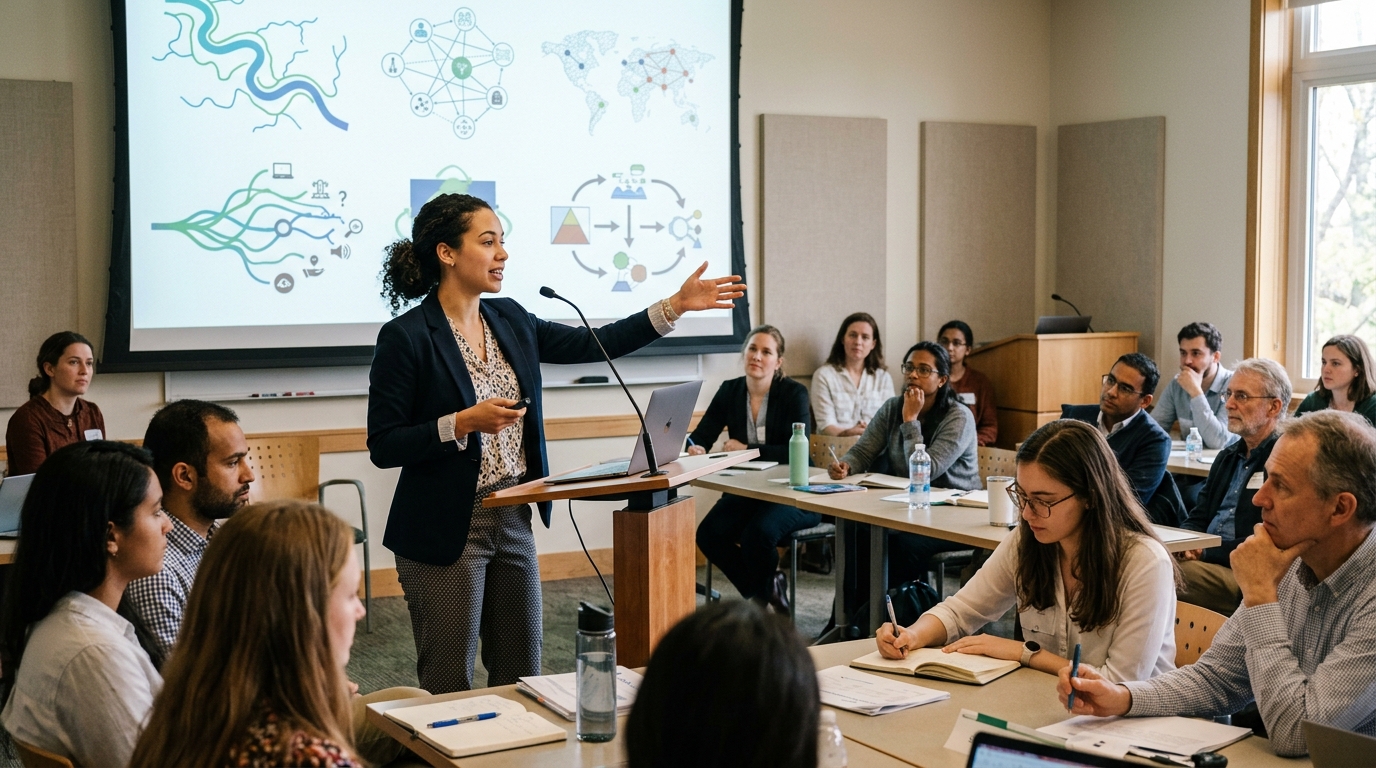
Confidence & Presentations
Build confidence in academic discussions and presentations.

Research & Policy Skills
Develop proficiency in research, policy writing, and advocacy.
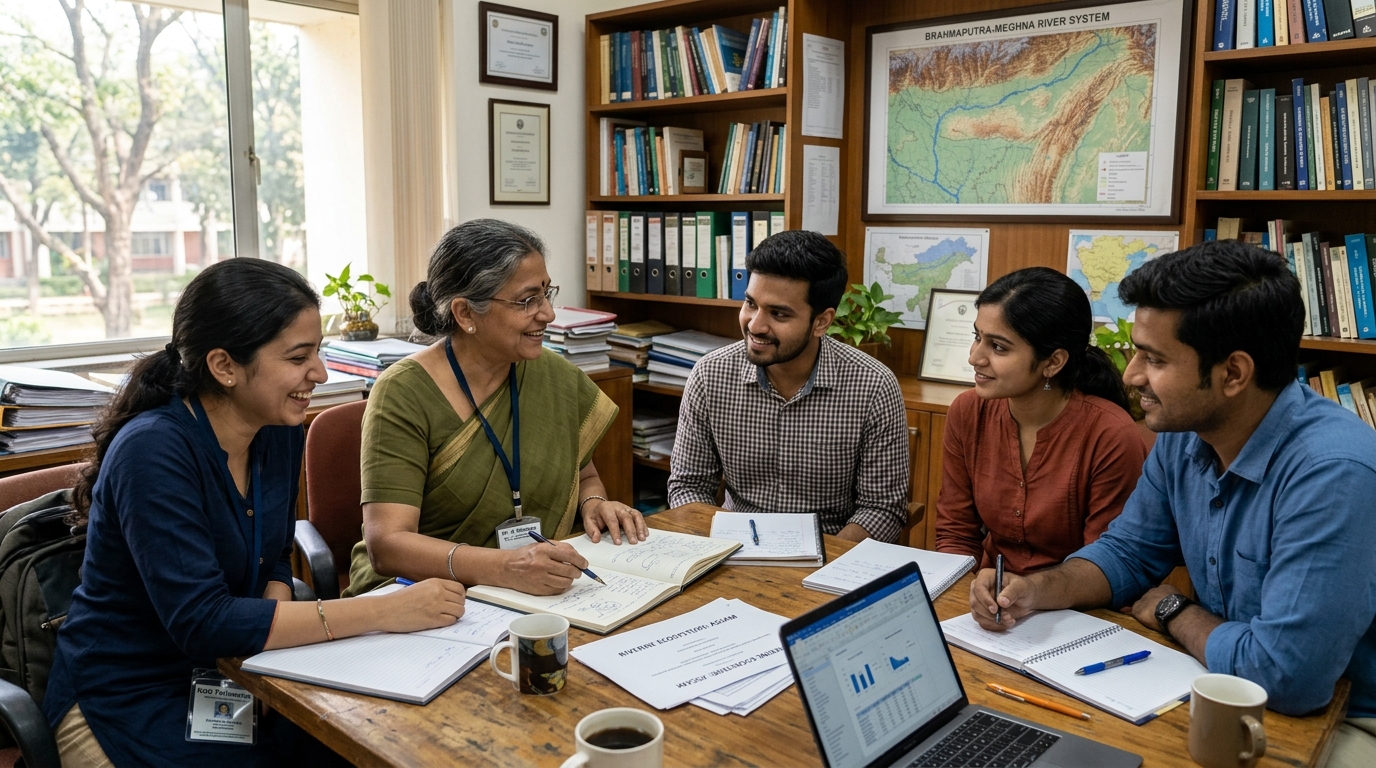
Mentorship
Work directly with experienced mentors and experts.
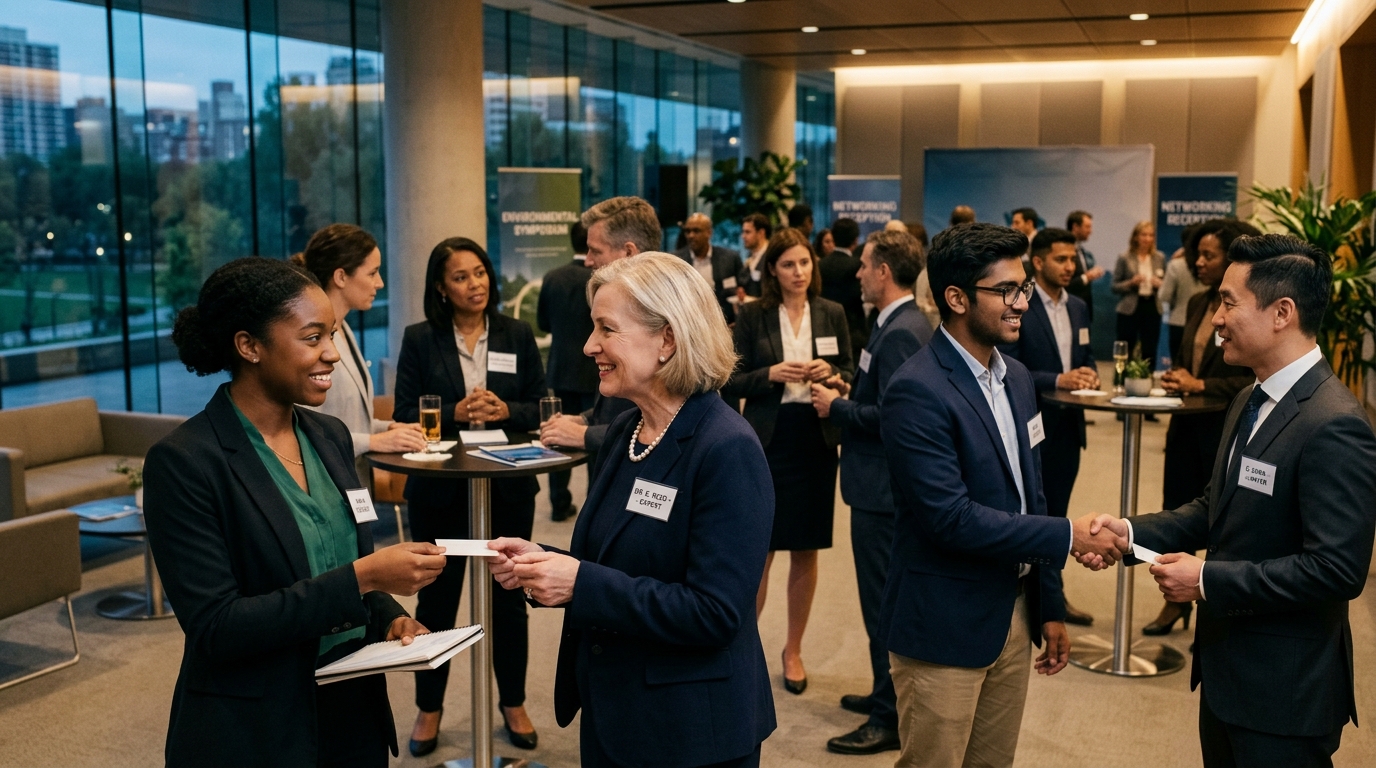
Networking & Exposure
Build professional networks and gain exposure.

Tangible Outputs
Produce research outputs that strengthen academic and career profiles.
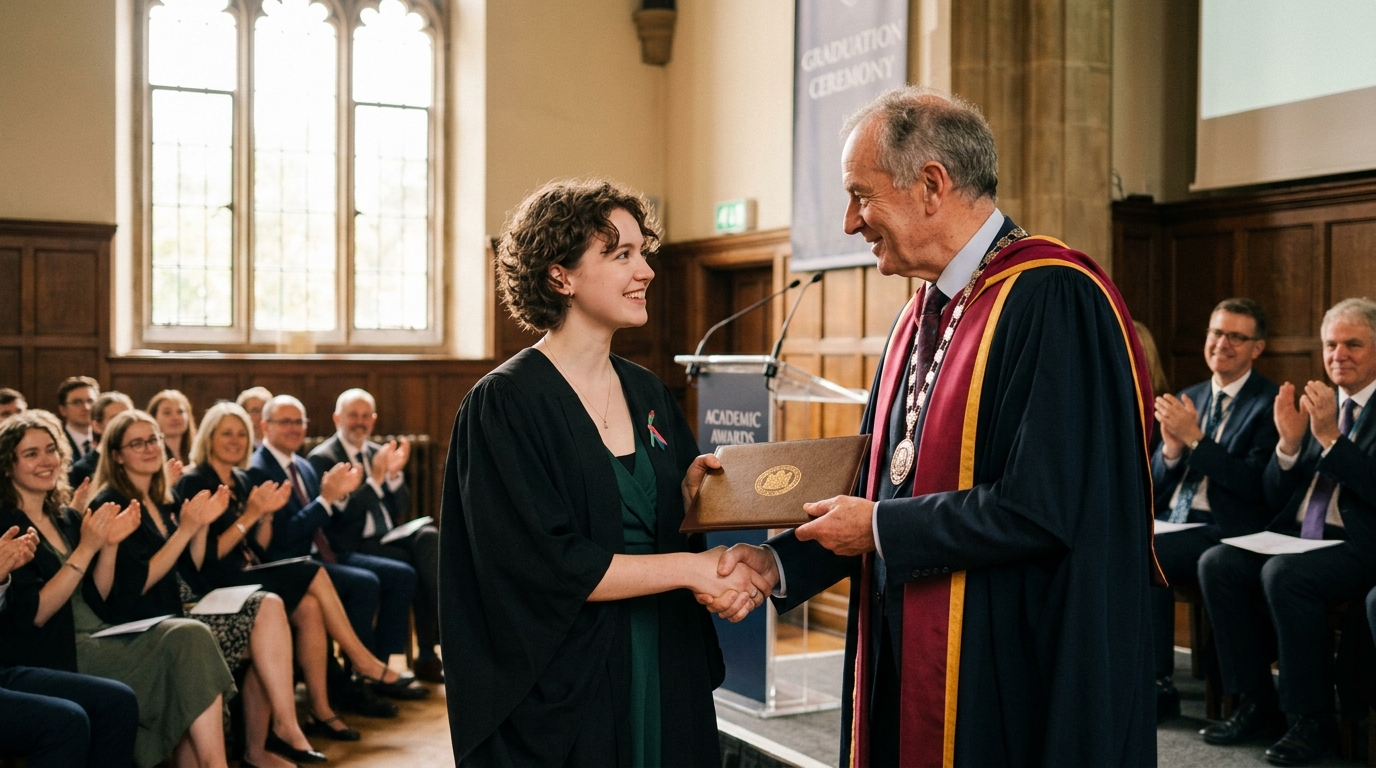
Recognition
Receive a certificate that enhances career opportunities.

Leadership
Be inspired to lead in water justice and governance.
A Six-Month Journey
June – July 2026
Selection & Planning
Student selection, planning, expert outreach, and reading material preparation.
August 2026
Orientation
Orientation and preparatory sessions for incoming fellows.
September – October 2026
Sessions & Mentorship
Online expert sessions, mentorship, discussions, and research methodology.
November – December 2026
Research & Outputs
Research, presentations, final outputs, certification, and publication/dissemination.
Benefits for Experts &
Instructors
Mentor Meaningfully
Guide students on a serious academic journey in water justice.
Shape Policy Awareness
Contribute to legal and policy awareness on water justice.
Create Research Outputs
Help students produce work on national and global issues.
Build a Network
Connect with committed students and professionals.
Social Impact
Participate in a socially impactful, academically rigorous initiative.
Strengthen Research Culture
Advance dialogue, public-interest law, and research culture.
Tangible Contributions to
Water Governance
Presentations
Student presentations and capstone showcases.
Fellows Network
An enduring network of young Hydro-Justice fellows.
Research Compendium
A collective compendium of student research.
Policy Briefs
Individual or group policy briefs on key issues.
Publications
Selected articles for publication and dissemination.
Legal Explainers
Accessible legal explainers on Hydro-Justice.
An Interactive, Research-
Driven Approach
An interactive, guided, and research-oriented approach to learning.
Expert Lectures & Mentoring
Structured guidance from experienced instructors.
Student Discussions & Debates
Interactive discourse on contemporary issues.
Research Clusters
Collaborative projects in focused working groups.
Reading Assignments & Case Studies
Primary documents and real-world cases.
Policy Analysis & Document Review
Hands-on legal and policy document analysis.
Reflection Notes & Draft Writing
Iterative writing and presentation practice.
Feedback & Review Sessions
Continuous improvement through structured review.
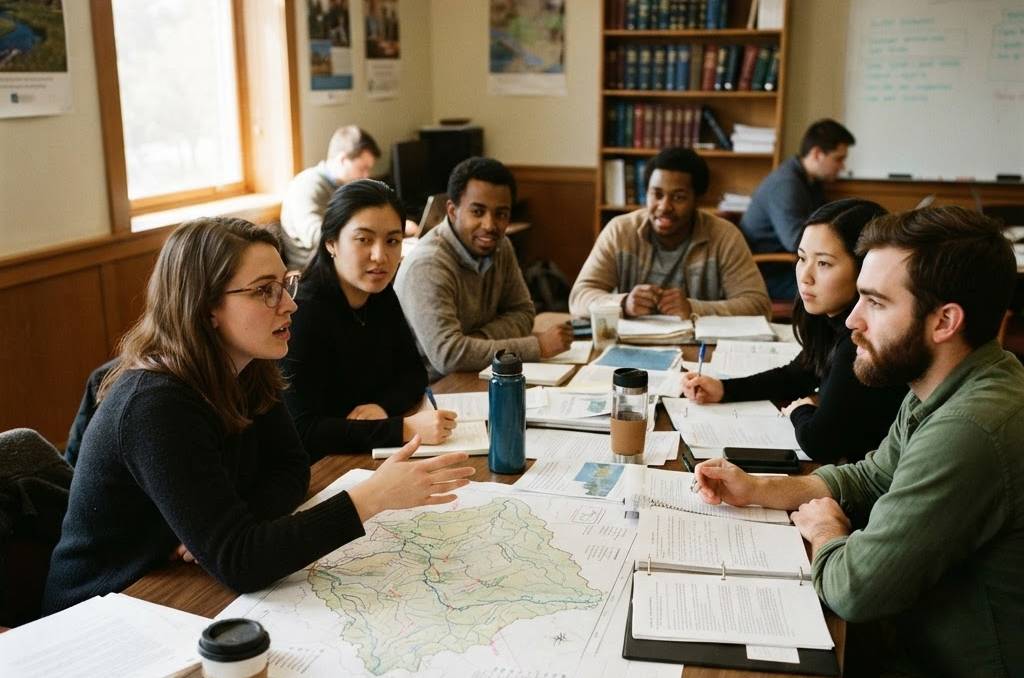
Expectations & Integrity
Attend sessions regularly.
Respect instructors, mentors, and peers.
Complete assignments on time.
Submit original work and avoid plagiarism.
Participate actively and professionally.
Remain committed throughout the fellowship.
Join Us in Advancing
Hydro-Justice.
A Small Beginning with
a Serious Purpose
- Bringing law students closer to critical global water challenges.
- Creating awareness, developing research skills, and inspiring leadership.
- Demonstrating that water is life, justice, and peace — and the next generation must be prepared to understand, protect, and advocate for it.